Farmers learn to optimize small pieces of land
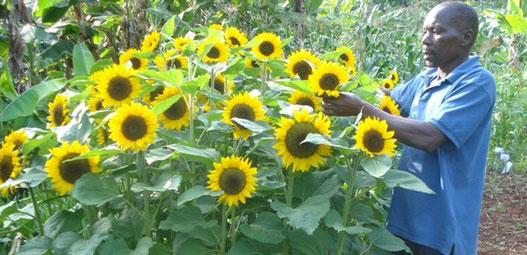
The Kenya Forestry Service has drawn a growing pool of Kitale farmers, now 150, to a new field school concept that is working with each farmer for a full year raising yields through adding trees, shrubs and complementary crops in their planting.
Since the KFS started the initiative, dubbed Bio-Intensive Agriculture, in Naisambu-Kibomet in Kitale in 2009 there has been a 30 per cent increase in farmers adopting the techniques, while the farmers who graduated from the field school last month, after a full year of training, already recording a 50 per cent rise in crop yields.
“The project is about maximizing the production at minimum costs by utilizing locally available natural resources,” said Isaac Simiyu, a forester with Kenya Forestry Service.
Participating farmers also learn from each other on which bio practices best ups yields and prevent pests, and on correct crop spacing. It is a process of learning by discovery, said Mr Simiyu.
However, the introduction of agro forestry trees and shrubs species is integral to the programme, as they add nutrients to the soil through shedding leaves or through their roots.
Sesbania, Mulberry, Grevillea, Calliandra and Croton are some of the trees and shrubs KFS is encouraging farmers to adopt. Once leaves from the species are shed they decompose rapidly into organic compost raising farm fertility.
For the farmers with small pieces of land, Sesbania and Calliandra are being intercropped with other crops. Besides adding nitrogen to the soil they are also provide sources of food for livestock that has been shown to deliver a 15 per cent increase in milk yields in studies conducted by the World Agroforesty Centre. The shrubs are spaced 2 metres apart in rows 10 meters apart.
The Croton tree and Grevillea also add calcium, nitrogen and phosphorus to soils.
Trees also provide shade for small crops, break wind, conserve water and stop soil erosion. They are also sources of firewood for subsistence farmers and have traits that control pests biologically.
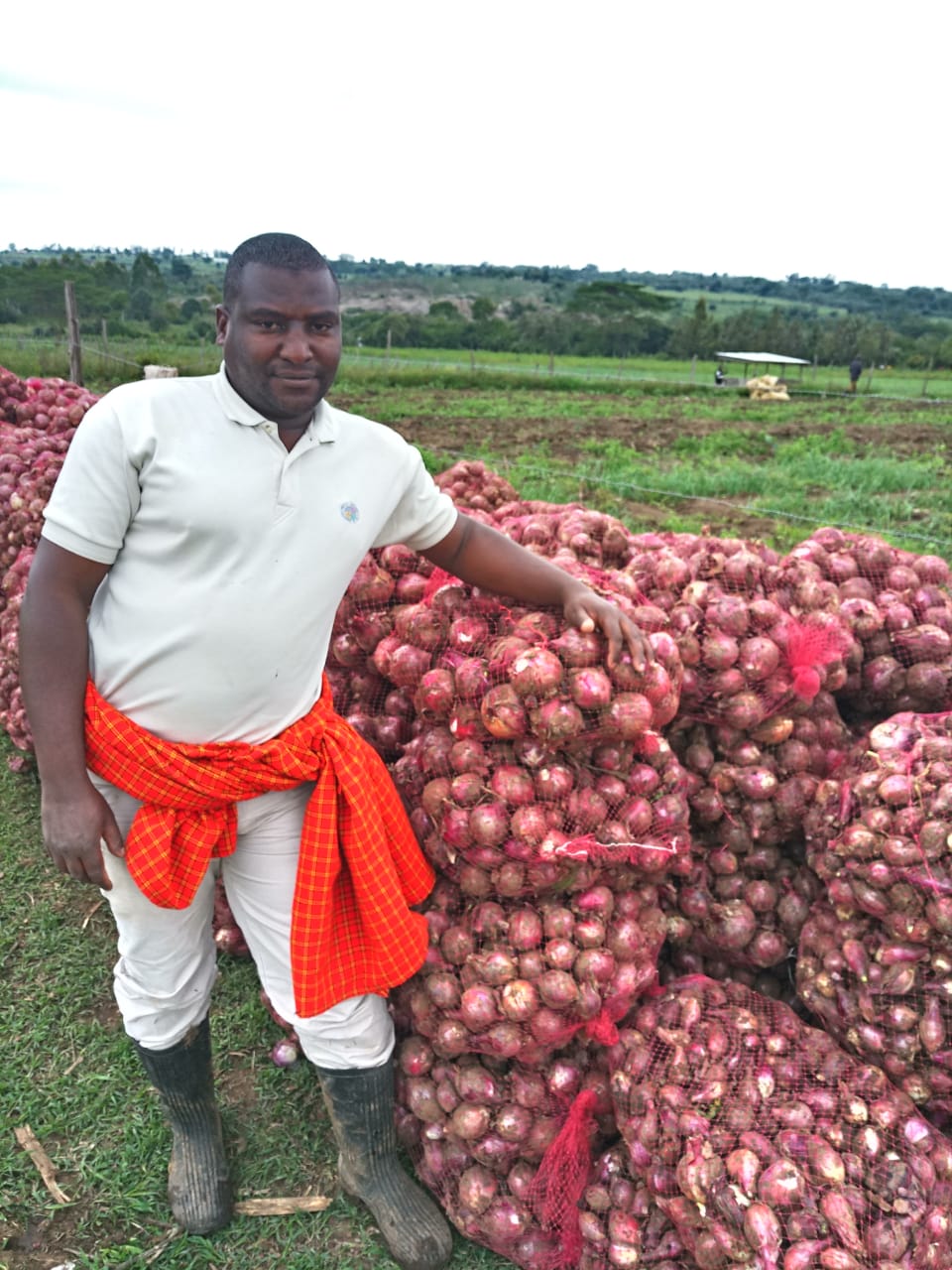
As part of the programme, the farmers are also using other crops rather than synthetic pesticides to control pests. Pepper is being used when storing grains to ensure mice don’t attack them. Farmers are also intercropping with plants like onions that ward off some aphids in vegetables.
The main crops by the subsistence farmers on the programme are maize, beans, bananas, tomatoes, onions, cabbages, butternuts and carrots.
Though marketing of their yields is a challenge, according to Simiyu, farmers are clustering themselves in groups and bulking their produce to sell to markets like Eldoret and Kitale. That way they are attaining bargaining power and getting better prices.
Other stakeholders involved in the Bio Intensive Agricultural project are Kenya Seed Company, Manor House Agricultural Centre, and the Kenya National Federation of Agricultural Producers.
Written By James Karuga for African Laughter
Newer news items:
- Third generation potato seed multiplication lift farmers fortunes - 01/03/2012 12:04
- Grafting becomes farmers' silver bullet against pests and diseases - 01/03/2012 11:54
- Flower farms reap from waste water management - 01/03/2012 11:50
- Group of farmers in Marsabit is turning to ways of harvesting water and securing water supplies - 01/03/2012 11:46
- Research firm launches new land saving bean variety - 01/03/2012 11:39
Older news items:
- Irrigation innovation saves farmers water - 01/03/2012 11:33
- New finger millet varieties set for release - 01/03/2012 11:23
- New plant tonic enhances crop productivity - 01/03/2012 11:22
- Farmers find reprieve in solar powered water pumps - 01/03/2012 11:21
- New commercial mango varieties promise fortunes for coastal farmers - 01/03/2012 11:20
|
|
|